Ditch Installation in Atlanta, GA
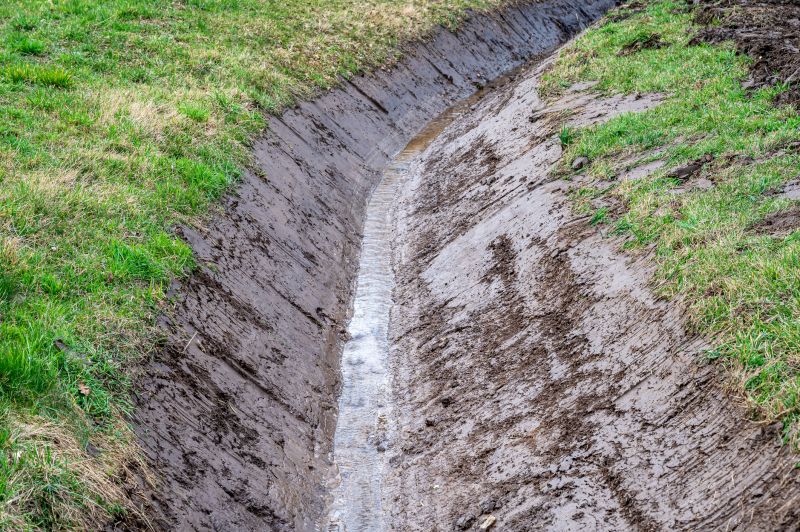
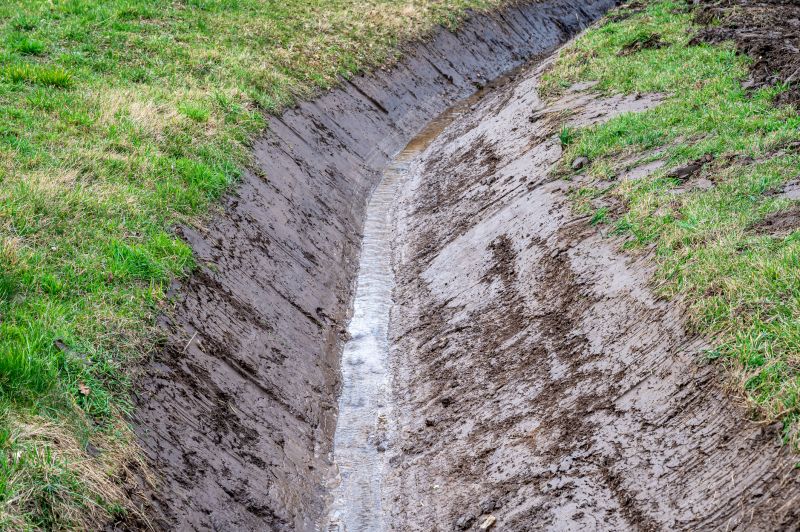
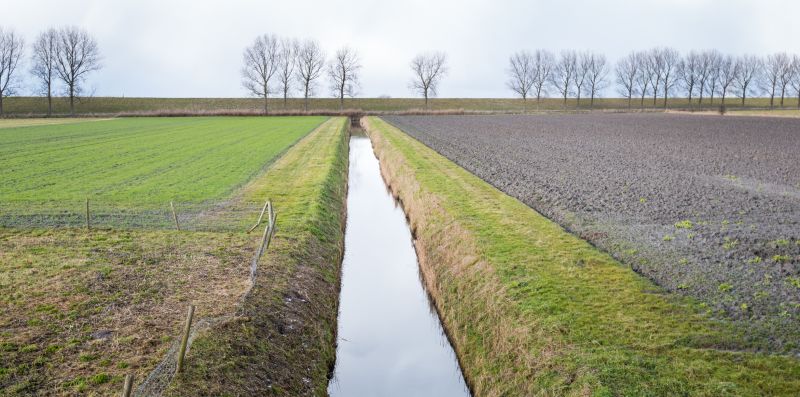
Ditch installation services involve creating a designated channel or trench in the ground to direct water away from a property. This service is commonly used for drainage projects, such as preventing water pooling around foundations, managing runoff from roofs or yards, or installing underground utilities. Property owners typically request ditch installation when experiencing issues with standing water, erosion, or water damage, or when planning landscaping projects that require effective water management solutions.
Before requesting ditch installation, property owners should consider the location and purpose of the trench, including how deep and wide it needs to be to effectively manage water flow. It’s also important to evaluate the terrain, soil type, and any existing underground utilities to ensure proper planning and avoid potential complications. Clear understanding of the project scope helps in selecting the appropriate design and materials for a durable, functional drainage solution.
Many property owners in Atlanta, GA look into Ditch Installation for repairs, replacements, upgrades, and appearance-related improvements.
Ditch Installation Services
Examples of ditch installation work property owners may explore in atlanta, ga.
Ditch Installation Updates
Common ways people refresh, improve, or restore ditch installation features in atlanta, ga.
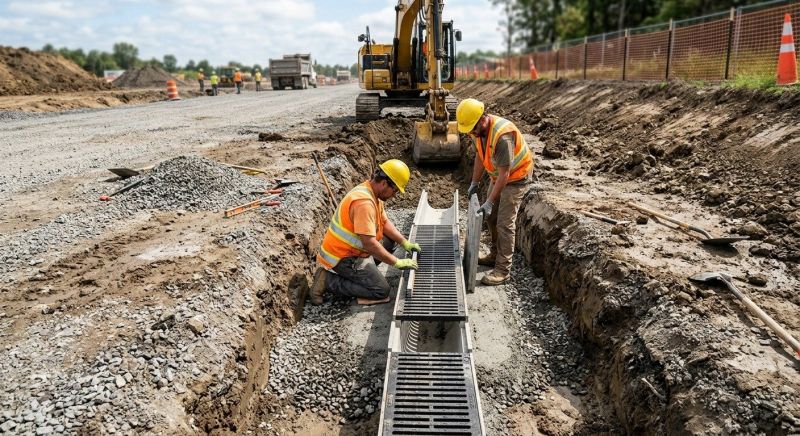
Ditch Installation Options
Different styles, layouts, and finishes people consider for ditch installation in atlanta, ga.
Ditch Installation in Atlanta, GA

Ditch installation services involve creating a designated channel or trench in the ground to direct water away from a property. This service is commonly used for drainage projects, such as preventing water pooling around foundations, managing runoff from roofs or yards, or installing underground utilities. Property owners typically request ditch installation when experiencing issues with standing water, erosion, or water damage, or when planning landscaping projects that require effective water management solutions.
Before requesting ditch installation, property owners should consider the location and purpose of the trench, including how deep and wide it needs to be to effectively manage water flow. It’s also important to evaluate the terrain, soil type, and any existing underground utilities to ensure proper planning and avoid potential complications. Clear understanding of the project scope helps in selecting the appropriate design and materials for a durable, functional drainage solution.
Many property owners in Atlanta, GA look into Ditch Installation for repairs, replacements, upgrades, and appearance-related improvements.
Common Ditch Installation Jobs
Drainage Projects - installation of ditches to improve water flow around the property.
Erosion Control - ditches help prevent soil erosion on slopes and landscaped areas.
Flood Prevention - strategic ditch placement reduces the risk of flooding during heavy rains.
Property Drainage - directing excess water away from foundations and walkways.
Agricultural Drainage - managing water levels in fields and gardens for optimal growth.
Landscape Enhancement - adding ditches for aesthetic appeal and functional water management.
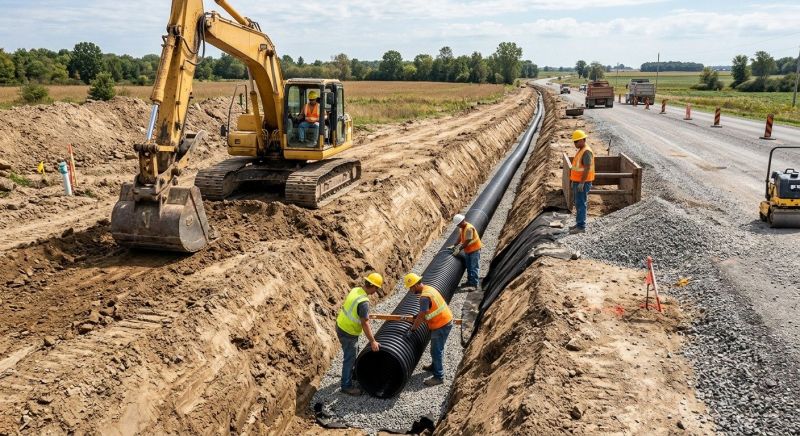
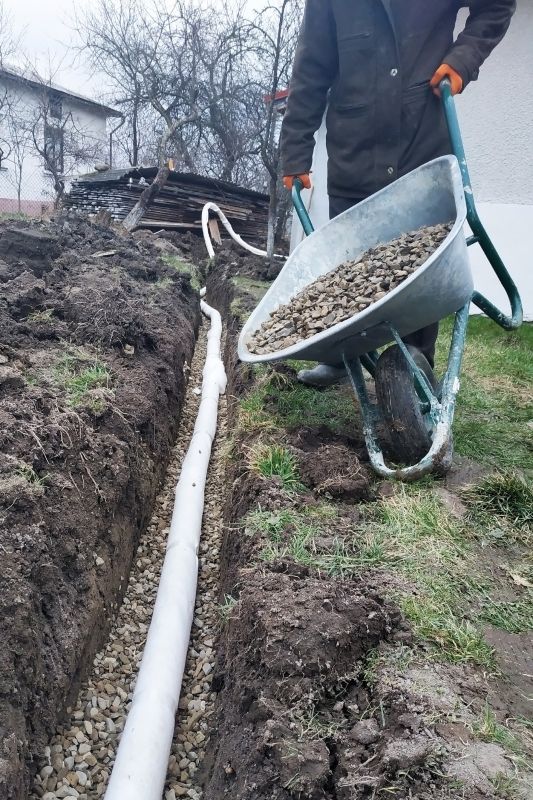
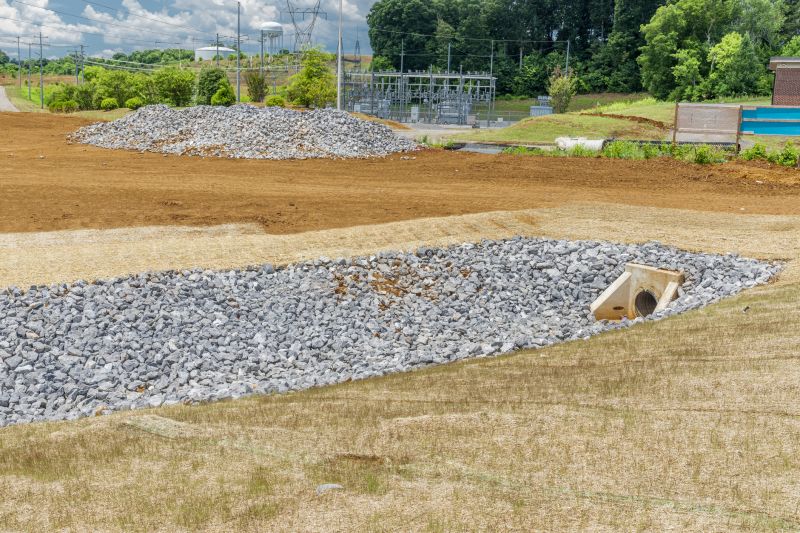
Ditch Installation Questions
What is the purpose of a ditch installation? Ditch installation helps manage water runoff, prevent flooding, and protect landscaping by directing water flow away from structures.
What types of projects typically require a ditch? Ditches are often used for drainage around homes, driveways, gardens, and agricultural land to improve water management.
How deep should a drainage ditch be? The depth of a ditch depends on the volume of water it needs to carry, but generally, it should be deep enough to effectively channel water away from the property.
What materials are used for ditch construction? Common materials include compacted soil, gravel, and sometimes concrete or plastic piping to enhance drainage efficiency.
Request Ditch Installation in Atlanta, GA
Use the quote form on this page to share the basics of your project and request more information for the type of work you need.